Prosperity
for All
in the age of AI
We organize workers across industries upended by rapid technological change to build collective power and win shared prosperity.
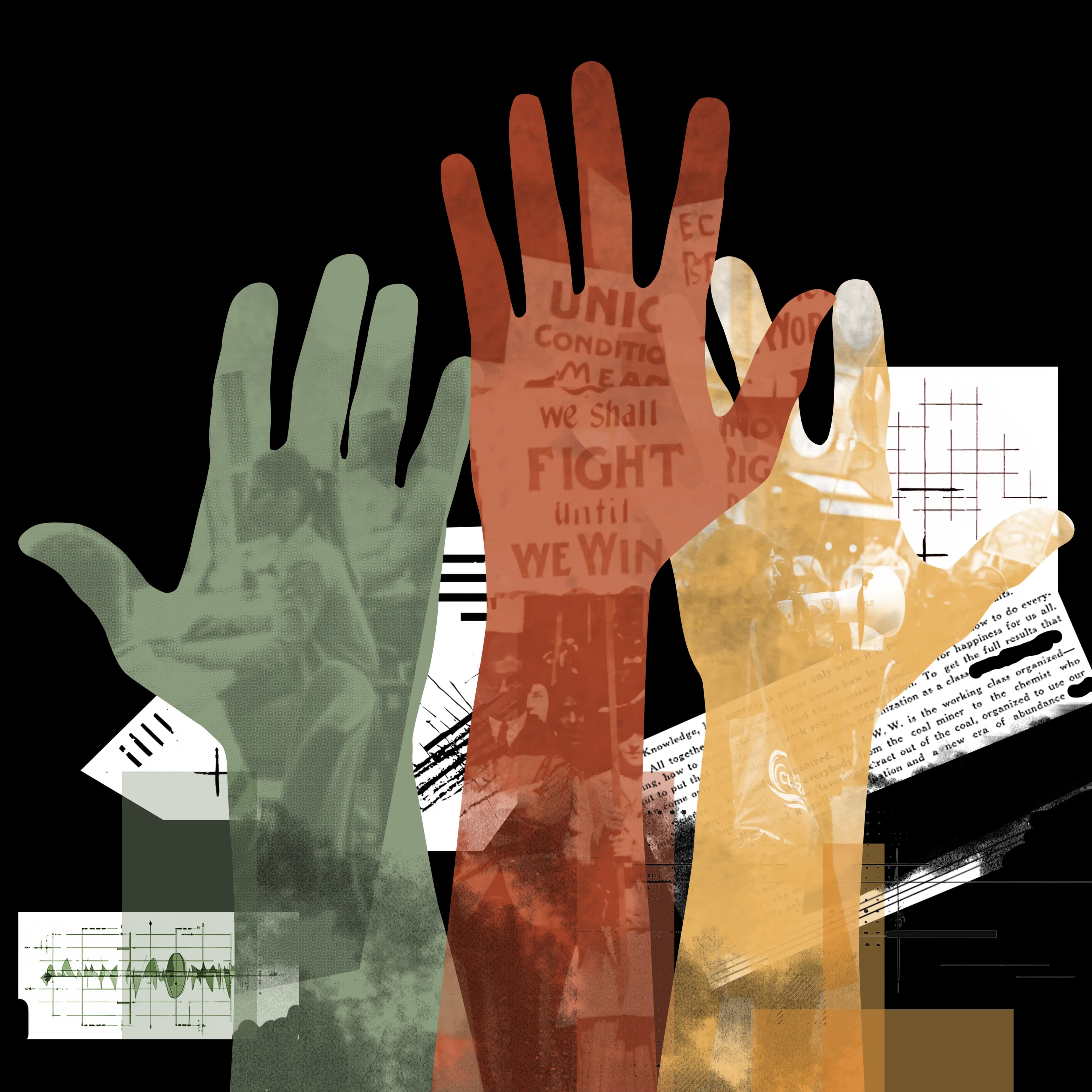
Our mission is to center humans in the future of work
Advocacy & Policy
We organize to advance "Human-First" AI practices to empower workers' voices in decision-making, strengthen our social safety net, and fight for bold policies that ensure equitable access to quality jobs, and a dignified future of shared prosperity.
Community Support
As a tech cooperative, we are worker-owners who build this platform democratically, and provide resources to help laid off and early career workers navigate a changing job landscape with community job search tools, layoff crisis support, skill sharing, civic tech projects, and mutual aid.
Who We Are
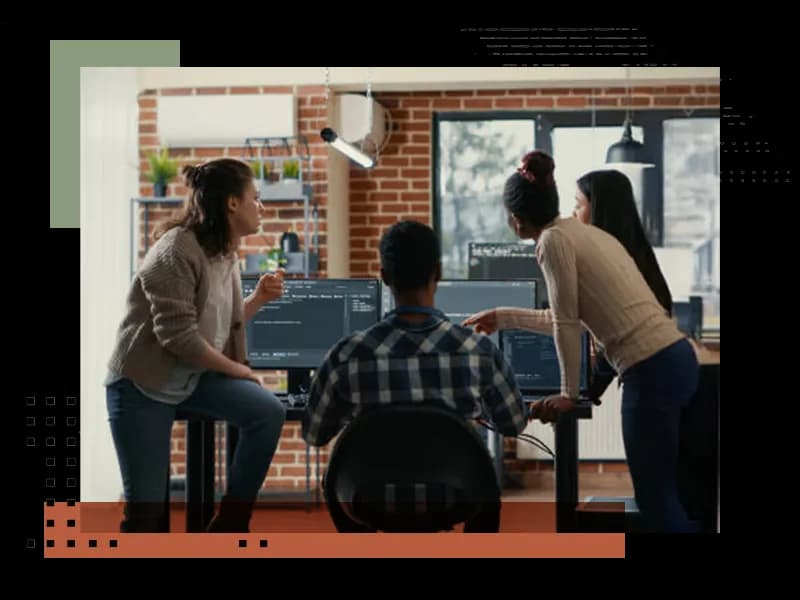
What We Will is a worker center for workers across sectors impacted by rapid technological change. We started in response to mass layoffs in 2025–2026, as part of the Tech Workers Coalition, a grassroots labor organization with local chapters across U.S. and Europe.
We believe collective power — not individual resilience alone — is necessary to navigate technological change. When workers organize together across sectors, we can build support systems, win policy protections, and shape the future of work.
Our Core Programs
We are a new organization, seeking funding to scale our capacity for fostering mutual aid. The following programs are seeking additional volunteers.
Crisis support for people facing layoffs: benefits and severance guidance, legal and immigration referrals, and peer support.
We use WARN filings to reach workers early and connect them with job pipelines and collective action.
Participatory action research on changing work conditions and effective supports.
We host discussion, evaluate policy proposals, and publish findings for broader public engagement.
Mutual Aid
We are building a culture of sharing and reciprocity between members. The framework is solidarity, not charity. In a moment of uncertainty, white collar workers historically excluded from traditional union representation are recognizing our shared strength as workers.
The charity-based model assumes a one-directional flow of resources, but we are also powerful resources for one another. Mutual aid is a system of giving and receiving that builds meaningful relationships and democratic practice. Your participation and unique contributions are what makes this project valuable for everyone. We highlight the skills of experienced workers while striving to provide mentorship to entry-level workers, especially those from diverse backgrounds and nontraditional training paths.
Our Future
“Eight hours for work, eight hours for rest, eight hours for what we will.” — Ira Steward (1863)
Machinists and Blacksmiths Union labor leader who fought for the eight-hour work day
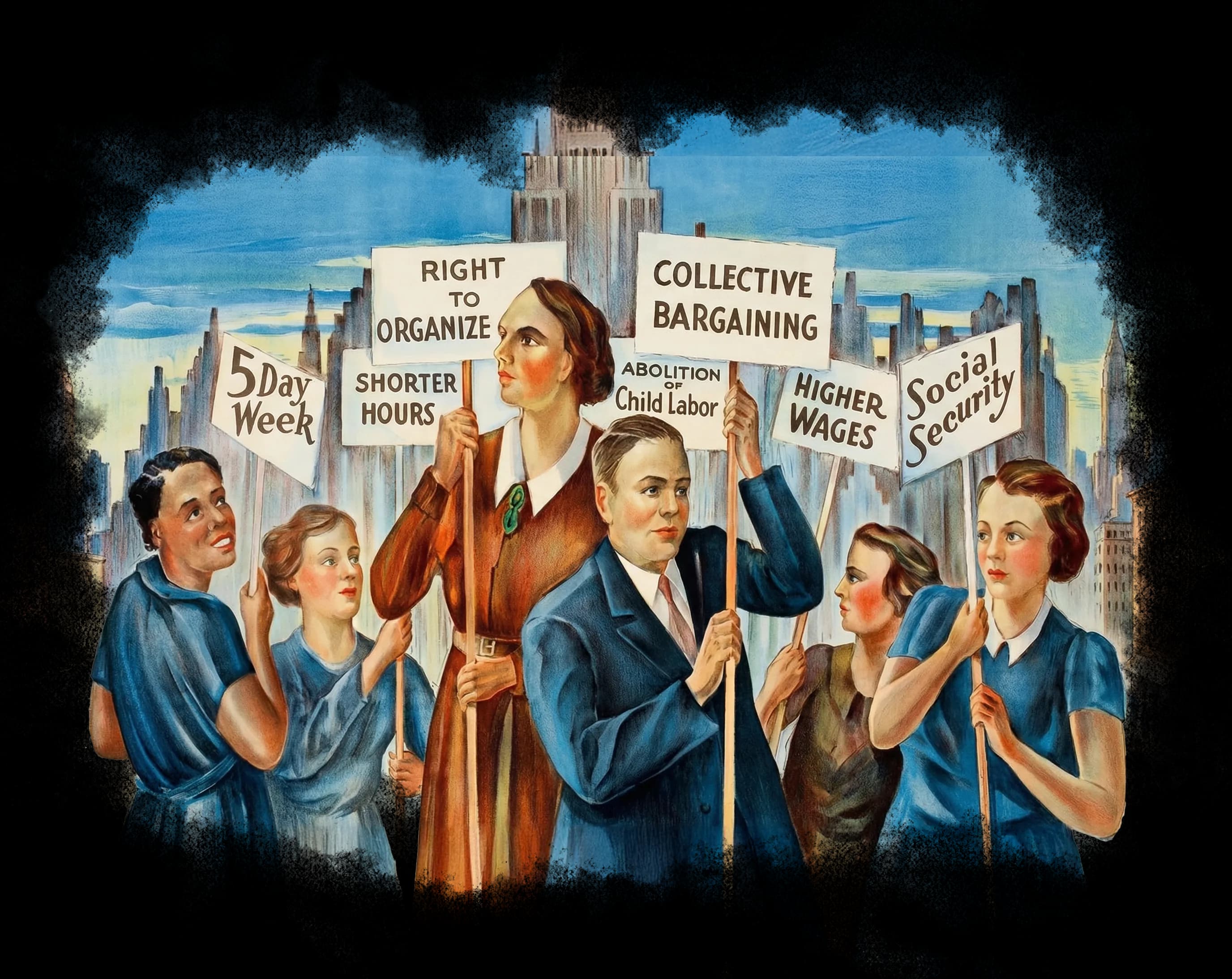
The first industrial revolution gave birth to movements that secured the labor laws and protections we know today. A five-day work week, social security, abolition of child labor—these rights were not freely given. They were fought for and won by workers who organized, went on strike, marched, and refused to accept the way things were.
The pace of AI development poses a similar scale of economic change into a fraction of the time — change whose consequences are still contested and unevenly distributed. Some workers face displacement; others face surveillance, eroded autonomy, or layoffs driven more by investor pressure than productivity.
But every disruption is also an opening for building better. The workers in the New Deal era didn't just survive industrialization; they reimagined work itself.
What can we imagine — and build together — for the future of work?
Support Our Work
Your donation helps us organize workers, grow mutual aid, and build a future where the gains of AI are shared by everyone.