Our Mission
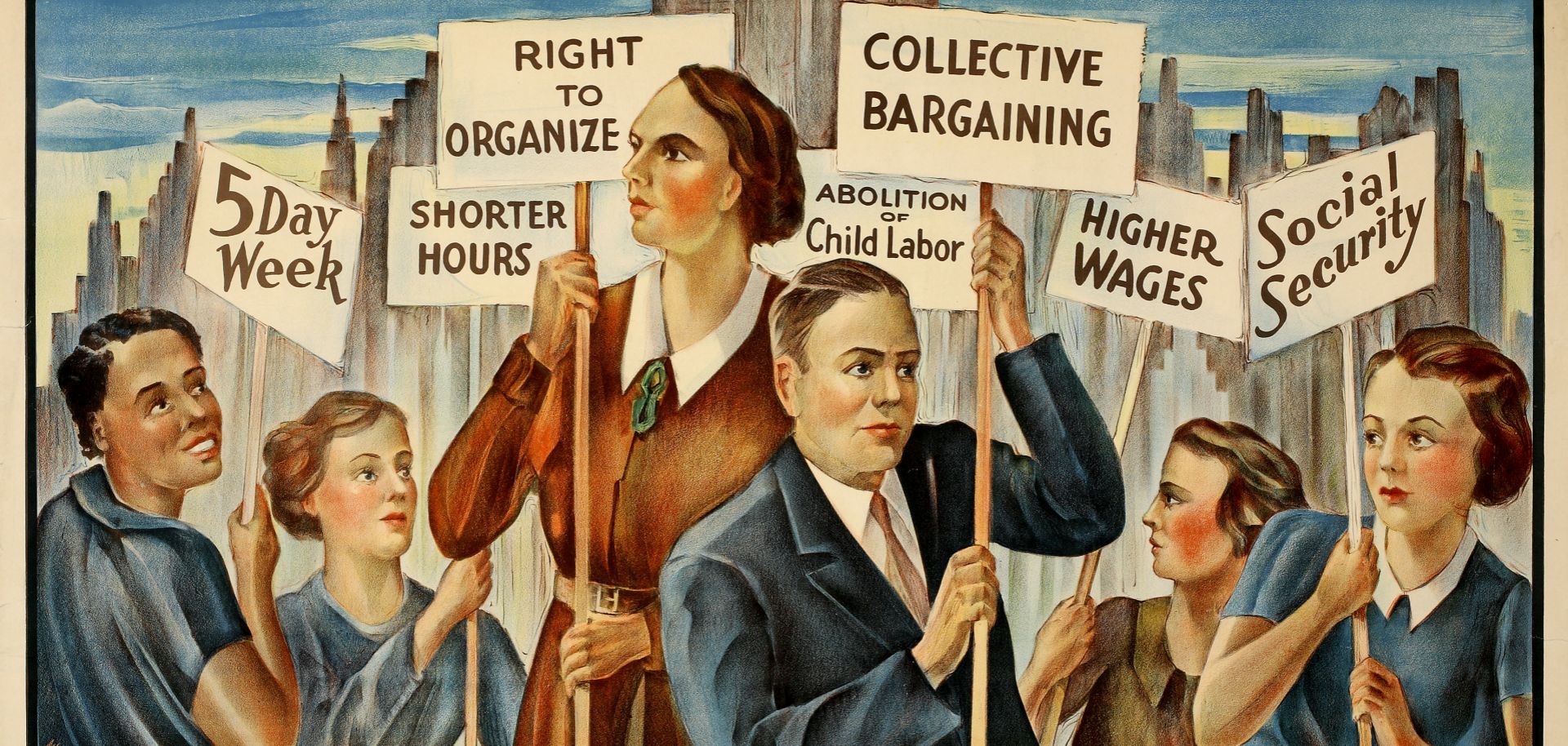
We organize workers across multiple sectors affected by rapid technological change to build collective power through layoff crisis support, community building, career upskilling, and political action - to win shared prosperity in the age of AI.
Who We Are
What We Will is a worker center for workers across sectors impacted by rapid technological change. We started in response to mass layoffs in 2025-2026, as part of the Tech Workers Coalition, a grassroots labor organization with local chapters all over the U.S. and Europe.
Through strategic coalition-building and mobilization, we fight for policies that provide a social safety net for workers during an unprecedented time of labor market disruption. Our initial focus is to build resourceful community infrastructure for tech workers through targeted skill-building and mutual aid, but we aim to expand our membership to include workers in other sectors and professions, including call center workers, journalists, creative workers, and other knowledge workers.
We believe collective power—not individual resilience alone—is necessary to navigate technological change. When workers organize together across sectors, we can build support systems, win policy protections, and shape the future of work.
Our Programs
We are a new organization, seeking funding to scale our capacity for fostering mutual aid. The following programs are in development, and we're looking for volunteers.
01
Crisis Response
We share in the work of providing crisis support to people facing layoffs, including benefits navigation, severance negotiation, immigration and legal referrals, and peer-led mental health support.
By staying ahead of WARN filings, we proactively identify workers at risk of displacement and reach out before the layoff takes effect. We aim to connect them with workers who have recently navigated job loss for peer-to-peer support and job application pipelines, while helping to strategize for collective bargaining and media pressure campaigns. We aim to coordinate mutual aid for those most vulnerable to harm - including workers on H-1B visas, people managing chronic health conditions, entry-level and older workers.
02
Workforce Development
Our community platform for project-based learning seeks to connect tech workers with hyperlocal community businesses and local government offices to practice forward-deployed AI engineering and advanced orchestration tools for building civic tech products with a focus on data privacy and security, accessibility and user-centered design, algorithmic fairness and ethics, clean code and rigorous testing, evaluation harnesses and continuous monitoring in production.
We also gather evidence-based career transition resources for workers moving to healthcare, education, social services, and skilled trades.
03
Research & Media
We equip members to look deeply into the challenges facing our industry and conduct participatory research on the working conditions shaped by rapid technological change.
We provide a forum for discussion and debate to better understand the socioeconomic challenges shaping the U.S. political landscape. Through member-led research, we evaluate the tradeoffs of competing policy proposals, gather feedback, and prototype tactical ways to apply economic and political pressure.
We will publish the findings and diverse voices of people in our membership on platforms for broader public engagement.
04
Organizing & Advocacy
We are building a power map to track policy proposals on state and federal levels, and better understand the political players, processes, and legislative timelines that influence decisions that impact our lives.
Current policy responses span three domains: 1) stronger layoff transparency and notice requirements under the WARN Act; 2) income stabilization via expanded unemployment insurance or basic income pilots; and 3) structural reforms including portable benefits, public and employer-funded reskilling programs, a 32-hour work week, and worker representation in AI governance.
We help members become informed organizers who advocate with elected officials, shape media narratives, build cross-movement alliances, and organize coalition campaigns to win transformative policy change.
Mutual Aid
We are developing programming through a mutual aid model to foster a culture of sharing and reciprocity between members. The framework is solidarity, not charity. In a moment of crisis, white collar workers historically excluded from traditional union representation and collective bargaining structures, are recognizing our shared identity, vulnerability, and solidarity as workers. Our role as a grassroots organization is to build collective capacity and a culture of care. The charity-based model of service delivery assumes a one-directional flow of resources, reliant on external funding. But there are many laid-off workers with strong skills, networks, and time. We can also be powerful resources for one another.
A true mutual aid system is not just one-sided transactions for temporary relief, but also a practice of both giving and receiving that builds meaningful and lasting relationships. That's the culture and community we strive to build here. Your participation and unique contributions are what makes this project valuable for everyone. Our full-time team members help facilitate well-structured and effective meeting spaces for technical skill-sharing, peer-led support, an open job pipeline, body doubling and interview prep, and collaborative projects that we help shape into cooperative work contracts. We highlight the skills of experienced workers, while also striving to provide mentorship and support to entry-level workers, those from diverse backgrounds, coming through nontraditional career pathways. The labor market is changing quickly, and strategies for the job search that have worked in the recent past may not work for everyone anymore, so we need to make bold demands and mobilize at scale. We hope you'll join in conversations about the bigger picture of the impact of AI on knowledge work, and build your civic leadership capacity through the advocacy campaigns we decide to pursue together.
Read more about our implementation plan here.